
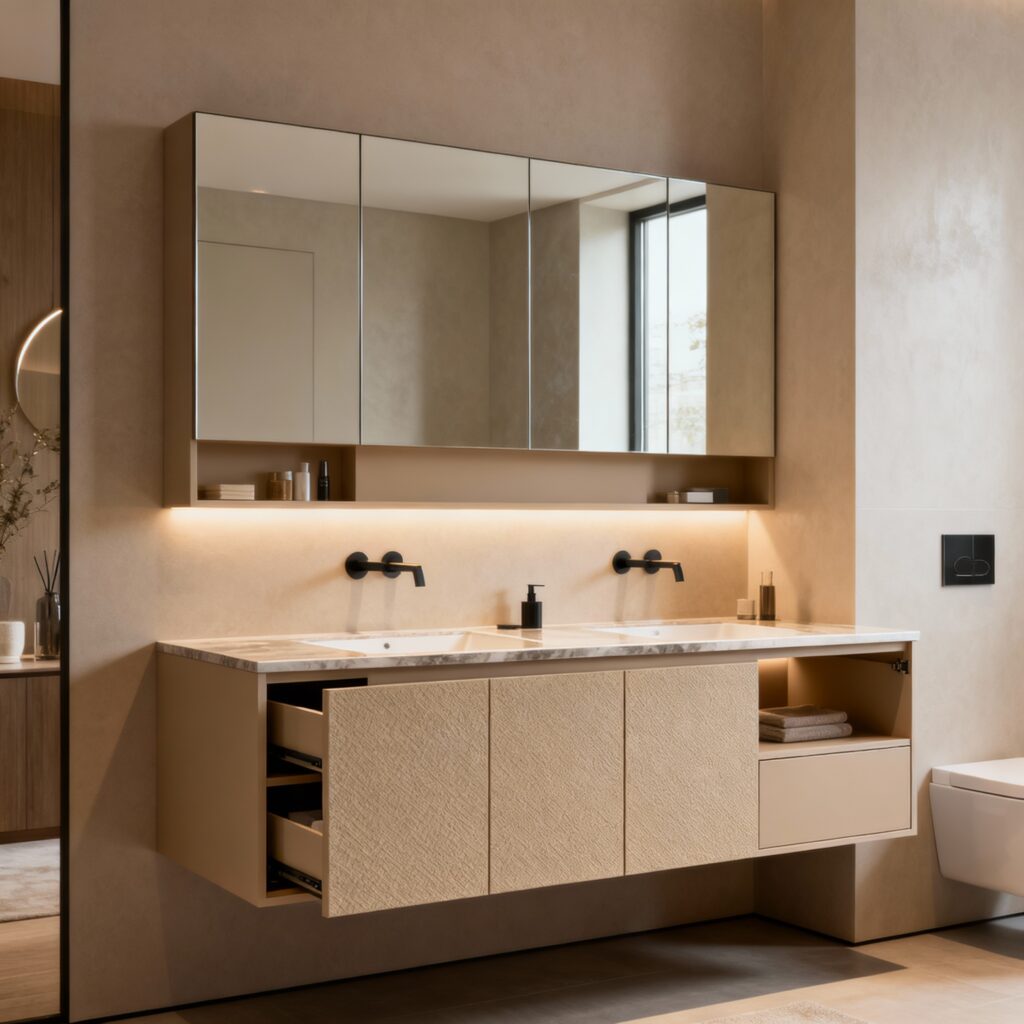
When planning a bathroom remodel, most homeowners focus on tiles, fixtures, and lighting — but one of the most important (and often overlooked) parts of the project is your walls and drywall. From moisture protection to creating a flawless finish for paint or tile, the condition of your drywall can make or break the look and durability of your new bathroom.
At Majestic Small Bathroom Remodel, we understand that a beautiful bathroom starts with a strong foundation. Here are some expert tips to help you streamline your remodeling project by properly handling your walls and drywall.
1. Start With a Solid Plan
Before tearing down old drywall or installing new panels, take time to plan your layout carefully. Identify any areas that will need plumbing or electrical changes, since these will require wall modifications.
A solid plan prevents unnecessary rework, reduces delays, and helps you estimate materials accurately.
When remodeling small bathrooms, every inch matters — so consider recessed shelving, wall-mounted fixtures, or built-in niches to maximize space while keeping the look clean and modern.
2. Choose the Right Type of Drywall
Bathrooms are high-moisture areas, which means standard drywall won’t cut it. Regular drywall can absorb moisture, leading to mold, mildew, and early deterioration. Instead, opt for moisture-resistant or mold-resistant drywall, often known as:
- Greenboard – Moisture-resistant drywall ideal for general bathroom walls.
- Purple Board – Offers enhanced mold and mildew resistance.
- Cement Board or Fiber-Cement Panels – Best suited for areas directly exposed to water, such as behind shower tiles.
Using the right material ensures your walls stay durable and safe for years to come, reducing the risk of costly future repairs.
3. Check for Hidden Damage Before Installing New Drywall
Before replacing or installing new panels, inspect the framing, insulation, and sub-walls for any signs of water damage or rot. Leaks from pipes, cracked tiles, or worn caulking can lead to hidden problems behind the drywall.
If you notice any damp areas, musty odors, or soft wood framing, address these issues immediately. Replacing damaged sections now will prevent structural issues and maintain a healthy indoor environment.
4. Proper Installation Matters
Even the best drywall won’t perform well if installed incorrectly. Make sure the panels are cut precisely, secured firmly, and the seams are properly taped and mudded.
For bathrooms, use water-resistant joint compound and tape to prevent future cracking or peeling caused by humidity.
Avoid leaving any gaps between panels, especially around plumbing fixtures, as these can trap moisture and cause bubbling or mold growth later.
If you’re not comfortable handling this yourself, hiring a professional drywall installer ensures the job is done efficiently and up to code — a smart investment for lasting results.
5. Don’t Skip on Ventilation
After drywall installation, proper ventilation plays a key role in maintaining your bathroom’s longevity. Moisture can linger after hot showers, seeping into walls and compromising drywall integrity over time.
Make sure your bathroom is equipped with a high-quality exhaust fan to remove humidity quickly. Proper airflow not only prevents mold growth but also helps paint, grout, and tile adhesives cure properly.
6. Prime and Paint with Care
Once your drywall is smooth and ready, use a moisture-resistant primer before painting. This step seals the drywall and provides a barrier against humidity.
Choose bathroom-grade paint with a satin or semi-gloss finish for better moisture resistance and easier cleaning. These finishes reflect light well, making small bathrooms appear brighter and more spacious.
For a modern touch, neutral tones like soft gray, warm beige, or light blue create a calming atmosphere — perfect for a small bathroom retreat.
7. Add Finishing Touches with Wall Treatments
While paint is a classic choice, there are many ways to elevate your bathroom walls. Consider tile wainscoting, stone veneers, or waterproof wall panels for an elegant and durable upgrade.
These materials protect drywall from direct moisture exposure and add a luxurious, spa-like feel to your space.
For smaller bathrooms, choose lighter tiles or vertical patterns to create the illusion of height and space.
8. Work with Professionals for a Seamless Remodel
Handling drywall and walls during a bathroom remodel requires skill, precision, and attention to detail. Mistakes can lead to peeling paint, water leaks, or uneven finishes that are costly to fix later.
Partnering with an experienced remodeling team like Majestic Small Bathroom Remodel ensures every step — from demolition to drywall installation to finishing — is handled with expert care. Our specialists understand how to design functional, stylish, and long-lasting small bathrooms tailored to your needs.
Final Thoughts
Your bathroom remodel should not only enhance beauty but also improve durability and functionality. By giving proper attention to drywall and wall preparation, you create a smooth, moisture-resistant foundation that supports your design for years to come.
From selecting the right materials to ensuring expert installation, these steps can dramatically streamline your bathroom remodeling process — saving you time, stress, and money in the long run.
At Majestic Small Bathroom Remodel, we believe that small spaces can have big style. Whether you’re updating a guest bath or transforming your master suite, our team is here to bring your vision to life — one wall at a time.